The question of whether a tablet can replace a laptop is usually framed as a question of power, and power is rarely the obstacle. A current tablet runs hardware that would have been a respectable laptop specification a few years ago. What decides the outcome is software: whether the applications the work requires exist for the platform, and whether they can reach the files, the printer and the display the work involves.
That distinction is easy to miss because the first hour with a tablet goes well. Browsing, mail and video work, and the device feels fast. The failures appear later, when a specific application is missing, when a file cannot be written where it needs to go, or when the screen cannot be extended to a second display. Those are the constraints worth checking before the purchase rather than after.
The software question comes first
A tablet runs the applications available for its platform, in the versions its manufacturer distributes. Where an application exists, it usually works well, because it was written for a touch interface. Where it does not exist, no amount of processor speed helps.
Two categories behave differently. Native applications install from the platform store and are designed for the device. Desktop-class applications exist on full operating systems and depend on features that a tablet platform may not provide, including window management, background file watching and access to shared system libraries.
The practical test is to list the applications the work actually requires, including the obscure ones used twice a month, and to check each against the platform store. The routine tools are rarely the problem. The specialist tool is.
Which classes of application travel well
Some kinds of work adapt to a tablet with little friction and some do not.
- Communication, notes and reading adapt well. These are the tasks the form was designed for, and the input methods suit them.
- Media consumption and capture adapt well, particularly where the device has a good screen and camera.
- Writing long documents adapts reasonably, provided a keyboard is available and the application supports the referencing the work needs.
- Spreadsheets and presentations adapt partially. Simple files are fine; complex formulas, macros and precise chart formatting frequently are not.
- Development, virtualisation, audio production and large-scale photo editing adapt poorly. These depend on file system access, plug-ins and tools that are absent from tablet platforms.
Where the work sits in the first three categories, the tablet question is mostly about ports and input. Where it sits in the last, the answer usually arrives early.
Files, drives and the paper world
A tablet platform typically gives each application its own storage area and a controlled interface to shared locations. This is deliberate and it is secure. It also changes how files are moved.
Sandboxed storage means an application sees its own documents and whatever it has been granted access to. Copying a file between two applications often goes through a share dialogue or a document picker rather than a folder.
Shared-storage access is available to varying degrees. Where a platform provides a file browser with access to external drives and network locations, the workflow resembles a computer. Where it does not, files travel by cloud services.
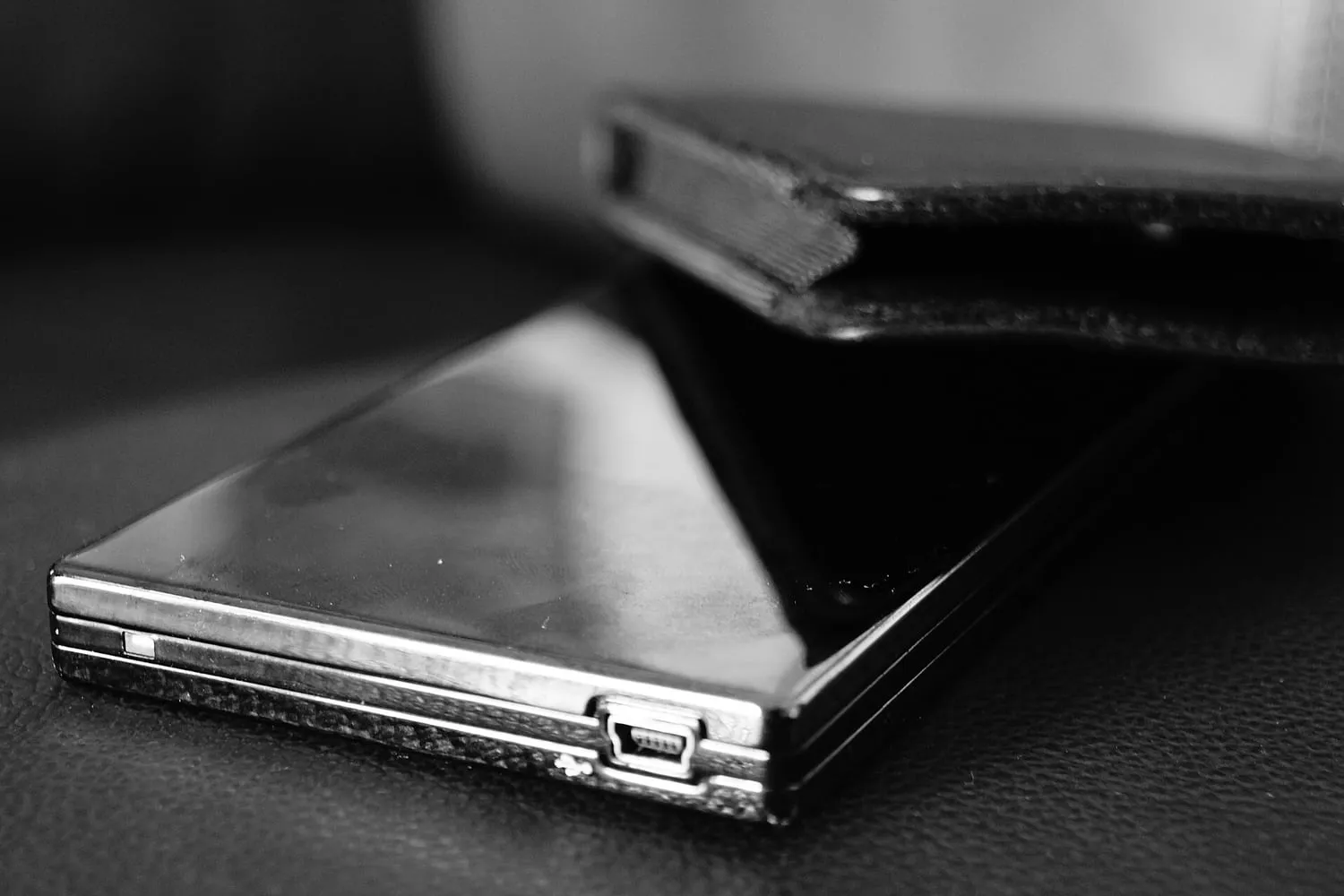
External drives and cards are read only where the platform supports the file systems and the power requirements involved. A drive that draws more power than the port supplies needs an external supply, and a drive formatted for a full operating system may not mount at all. Checking the supported formats before buying an accessory prevents the most common disappointment.
Printing is the clearest example of a task a tablet can do and a laptop does more easily. Platform print services handle common printers, and applications that support the system dialogue print without difficulty. Where a printer requires a manufacturer driver, or a network configuration the platform does not implement, the print job fails at the last step. Scanning and document feeders add their own software requirements. Where paper output is part of the work, it is worth confirming support for the specific printer model and connection method in advance.
External displays and windows
A tablet can drive an external monitor, and what appears on that monitor depends on the platform.
Mirroring reproduces the tablet screen on the display. It is useful for presentations and useless for extra workspace, because adding a monitor does not add room to work.
Extended desktop gives the second screen an independent area. Some tablet platforms support it and some do not, and the capability is sometimes limited to particular applications or a particular generation of hardware.
Window management is the companion question. A platform that shows one application at a time makes a large external display less useful than it looks, because the workspace cannot be arranged. Where work involves comparing two documents or dragging between applications, this decides the purchase.
Keyboards, pointers and input
A tablet becomes a laptop substitute through its accessories, and the accessories introduce their own compromises.
- Keyboard cases vary in key travel, stability and whether they hold the screen at a usable angle on a lap as well as a table.
- Pointer support is present on most tablet platforms, with the behaviour of the cursor differing between them. A pointer that snaps to interface elements is fast for touch-designed applications and awkward for precise work.
- Shortcuts are the quiet constraint. Where the applications use platform shortcuts rather than the conventions of a desktop operating system, muscle memory built over years has to be rebuilt.
- Ports determine whether a single cable can carry power, an external display and a card reader, or whether each needs a separate adapter.
Cellular against tethering
A tablet with a cellular modem connects anywhere there is coverage, which suits work away from fixed networks. A tablet without one can share a phone connection, which costs nothing extra and draws on the phone battery.
The trade-off is a second data plan and a second device to keep charged against the convenience of a connection that does not depend on the phone being present and charged. For occasional travel, tethering is sufficient. For regular work in the field, a modem removes a dependency.
When a tablet is enough, and when it is not
A tablet is enough where the applications exist for the platform, files live in cloud services or in single-application spaces, printing is rare, and the work is done with one screen and one window.
A tablet is not enough where the work depends on a specific desktop application, large local file libraries, printers with their own drivers, or two displays used at once. In those cases the tablet continues as a companion device, and the purchase should be judged on that basis rather than on a promise of replacement.
Before buying, run one check: install the two or three critical applications on the tablet platform, open a real project file, and try to complete a whole task without returning to a computer. That test finds the constraint in an afternoon, and the constraint is almost never the processor.