A camera specification lists hardware: how many pixels the sensor produces, how large that sensor is, what the lens admits, and how many lenses the device carries. Buyers compare those figures as though they predicted the photograph, and they do not. Two devices with similar sheets routinely produce very different images, because a large part of what a modern camera does happens after the exposure, in software, and because one of the listed numbers describes a lens rather than an image.
The result of that mismatch is a specification sheet that is good for ruling options out and poor for choosing between them. Knowing what each figure measures, and where the measurement stops being informative, is more useful than ranking devices by a number that was never intended to be ranked.
Sensor size and pixel pitch
The sensor is the surface that converts light into charge, and its physical area is the figure that matters most in low light. A larger sensor collects more light at the same exposure, which reduces noise and preserves detail when the light is poor.
Pixel pitch is the sensor divided into its pixels, so a large sensor with a high pixel count can have a small pitch, and a small sensor with a modest count can have a large one. Individual pixels that occupy more area collect more light each. The count alone says nothing about this.
This is why a high megapixel figure is weak evidence of image quality. Two sensors of the same physical size and different pixel counts differ in how much they crop and in how they behave when viewed at full size, but they gather similar total light. Resolution is a cropping and printing resource, not a light-gathering one.
Aperture and why the f-number needs context
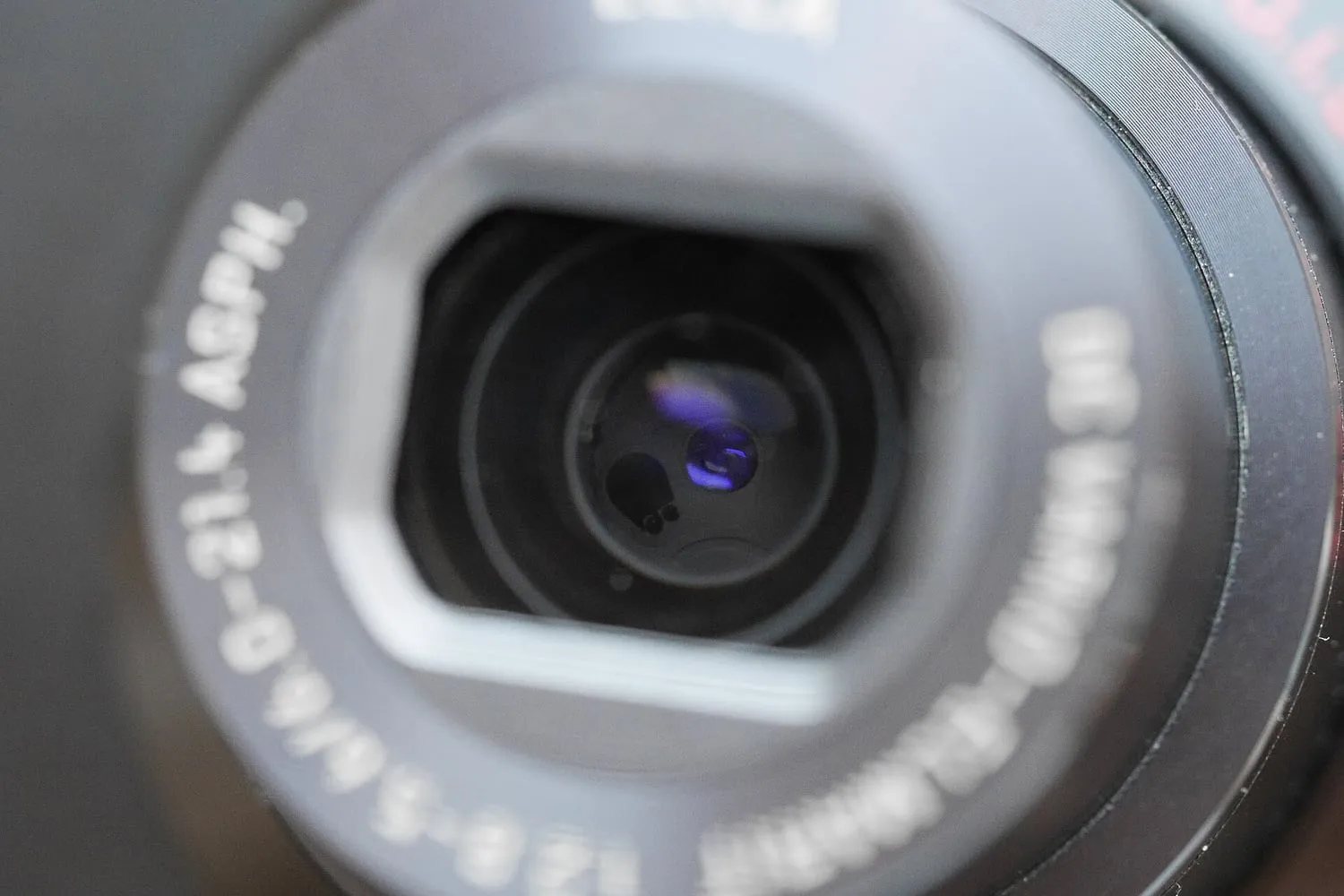
Aperture is quoted as an f-number, the focal length divided by the diameter of the opening. A lower number lets in more light, which shortens the exposure in dim conditions.
The figure is only comparable within one sensor size. A small sensor with a fast lens admits less total light than a larger sensor with a slower one, because the two systems form the image on different areas. Comparing f-numbers across formats is therefore misleading, and the comparison that matters is the f-number of the lens against other lenses on the same format.
A wider aperture also narrows the band of the scene that is sharp. On large sensors that produces the blurred background associated with a portrait lens; on small sensors the same aperture produces a deeper zone of sharpness. The hardware is the same and the result is not.
Why a telephoto lens changes more than the sensor
Adding a second or third camera to a device changes the photographs available more than any change in sensor design. A telephoto lens compresses the perspective, brings distant subjects closer, and separates a subject from a background in a way that no sensor upgrade reproduces.
Optical zoom changes the lens, and it preserves resolution and detail. Sensor crop zoom enlarges the centre of the frame, which reduces the pixels used. Software zoom interpolates, which invents detail rather than recording it.
A device with a modest main sensor and a genuine telephoto lens produces better photographs of distant subjects than a device with a large sensor and a crop-based zoom. Where a specification lists a zoom factor without saying whether it is optical, the honest assumption is that it is not.
Processing decides the photograph
Most photographs from a phone or a compact camera are the product of many exposures combined, not one. The device captures a burst, aligns the frames, merges them, reduces noise, sharpens edges, adjusts tone and selects a colour rendering. That pipeline determines how the image looks more than the sensor does.
The artefacts of that process are visible once the reader knows what to look for.
- Over-sharpening produces bright halos along high-contrast edges and a brittle texture in foliage.
- Aggressive noise reduction turns fine detail into a waxy surface, particularly on skin and fabric.
- Frame misalignment appears as ghosting around moving subjects, because the burst could not be merged cleanly.
- Colour shifts in mixed light follow from automatic white balance choosing one interpretation of a scene lit by several sources.
None of this is listed on a specification sheet, and all of it decides whether an image is usable at a larger size.
Stabilisation: optical, sensor-shift and electronic
Hand movement blurs photographs in low light, and the method used to correct it changes what the camera can do.
- Optical stabilisation moves a lens element to counteract movement. It corrects the image before it reaches the sensor and works equally for photographs and video.
- Sensor-shift stabilisation moves the sensor itself on a carriage. It can correct more axes and is often paired with a mechanism that shifts the sensor slightly during a long exposure to capture more detail.
- Electronic stabilisation crops the frame and moves the crop between frames. It is effective for video and consumes resolution, and it cannot help a still photograph, because there is no second frame to reposition.
Manufacturers often describe a combined rating in stops, which states how much longer an exposure can be held. The figure depends on the photographer and the conditions, so it is a comparison between devices rather than a promise about a particular shot.
The parts of a lens that are not listed
Sharpness across the frame, corner performance, flare resistance, colour fringing and how close the lens focuses are all visible in results and absent from the sheet.
A lens that is sharp in the centre and soft at the edges limits large prints. A lens that flares badly under a bright source ruins indoor photographs taken towards a window. A minimum focus distance that is longer than expected decides whether the camera can photograph a label or a flower. These are properties of the optics, and they are assessed by looking at photographs rather than at numbers.
How to judge a camera on evidence
Three figures deserve attention because they constrain what the camera can do: the physical size of the sensor, whether a lens is genuinely telephoto, and whether the device records a raw format that bypasses the processor.
Then set the sheet aside. Look at full-resolution samples rather than reduced images, at high sensitivity settings rather than in good light, and at photographs containing moving subjects, fine texture and mixed lighting. Those are the conditions that separate devices, and they are exactly the conditions a specification cannot describe.
A short routine for a purchase decision:
- Check the sensor size, not the megapixel count, for low-light ability.
- Check whether each rear lens is optically distinct or a crop of another.
- Look for stabilisation that works on stills if photographs are the priority.
- Read samples at full size, and judge detail and artefacts together.
The specification narrows the field. The photographs decide it.