Headphones are sold with a specification block copied from an engineering datasheet, and most of it was written for engineers rather than buyers. Some of those numbers genuinely predict how a pair will behave. Others are printed because they always have been, and a few are actively misleading.
Frequency response tells you less than it appears to
The headline figure is usually a range, something like 20 Hz to 20 kHz. That range is roughly the span of normal human hearing, which is why almost every pair quotes something similar, from inexpensive earbuds to studio monitors.
The problem is that a range states which frequencies a pair can produce, not how loudly it produces them relative to each other. Two headphones with identical ranges can sound completely different, because one boosts the bass and the other rolls it off.
Where a specification includes a tolerance — shown as a plus-or-minus figure in decibels — it becomes closer to meaningful, because it describes how far the response is allowed to wander. Where there is no tolerance, the range is close to useless for judging sound. Published frequency response graphs are far more informative, though they describe a measurement rig rather than your ears.
Impedance and sensitivity are the two that matter
These are the numbers that actually predict whether a pair will work with the device you own.
Impedance, measured in ohms, describes how much the headphones resist the electrical signal. Higher impedance generally means the headphones need more voltage to reach a given loudness, which is why some pairs sound thin and quiet from a phone and correct from a dedicated amplifier.
Sensitivity, usually quoted in decibels per milliwatt or per volt, describes how loud the headphones get from a given input. This is the more directly useful figure: a high sensitivity means the pair will reach a comfortable volume from a phone or a laptop without strain.
Read together, the two numbers answer a practical question. Low impedance with high sensitivity is easy to drive from anything, which is what most consumer headphones aim for. High impedance with low sensitivity needs amplification. A high impedance figure alone is not a sign of quality; it is a sign of what you will need to drive them.
Driver size is mostly irrelevant
Driver diameter is quoted because it is a simple number, but it is not a measure of quality. A large driver in a poorly tuned housing can sound worse than a smaller one in a good design. What matters is the whole acoustic system: the driver, the enclosure, the seal against your ear and the tuning decisions made on top of it.
Treat driver size the way you would treat the physical size of a camera sensor’s box rather than the sensor itself — a hint about the design, not a conclusion about the result.
Wired and wireless change the questions
Wired headphones are specified in electrical terms, and the specification is mostly stable. Wireless headphones add a layer that the sheet handles badly.
Codec support determines how audio is compressed between the source and the headphones. Some codecs are more efficient than others and some are more robust in a crowded radio environment. The support list matters less than whether your source device supports the same ones, and whether the headphones fall back gracefully when the connection degrades.
Latency is rarely published, and it decides whether a pair is usable for watching video or playing games. A small delay is invisible for music and obvious for a film.
Battery life is quoted as a headline figure, usually without stating the volume, the codec or whether noise cancelling was on. Expect the real figure to be shorter than the published one, sometimes substantially.
Multipoint connections — staying paired to two devices at once — are far more useful day to day than most of the numbers printed on the box, and they are usually discoverable only from the manual.
Noise cancelling claims need translating
Active noise cancelling is advertised with a depth figure in decibels, and those figures are not comparable between manufacturers. Measurement conditions differ, and a single number describes the best case at one frequency rather than what you will notice on a plane.
What matters in practice is the range of noise the system handles well. Low-frequency rumble, which is the easiest to cancel and the most fatiguing, is where most systems do their best work. Voices and other mid-frequency sounds are harder, and no headphone removes them completely.
Comfort and repairability are not on the sheet
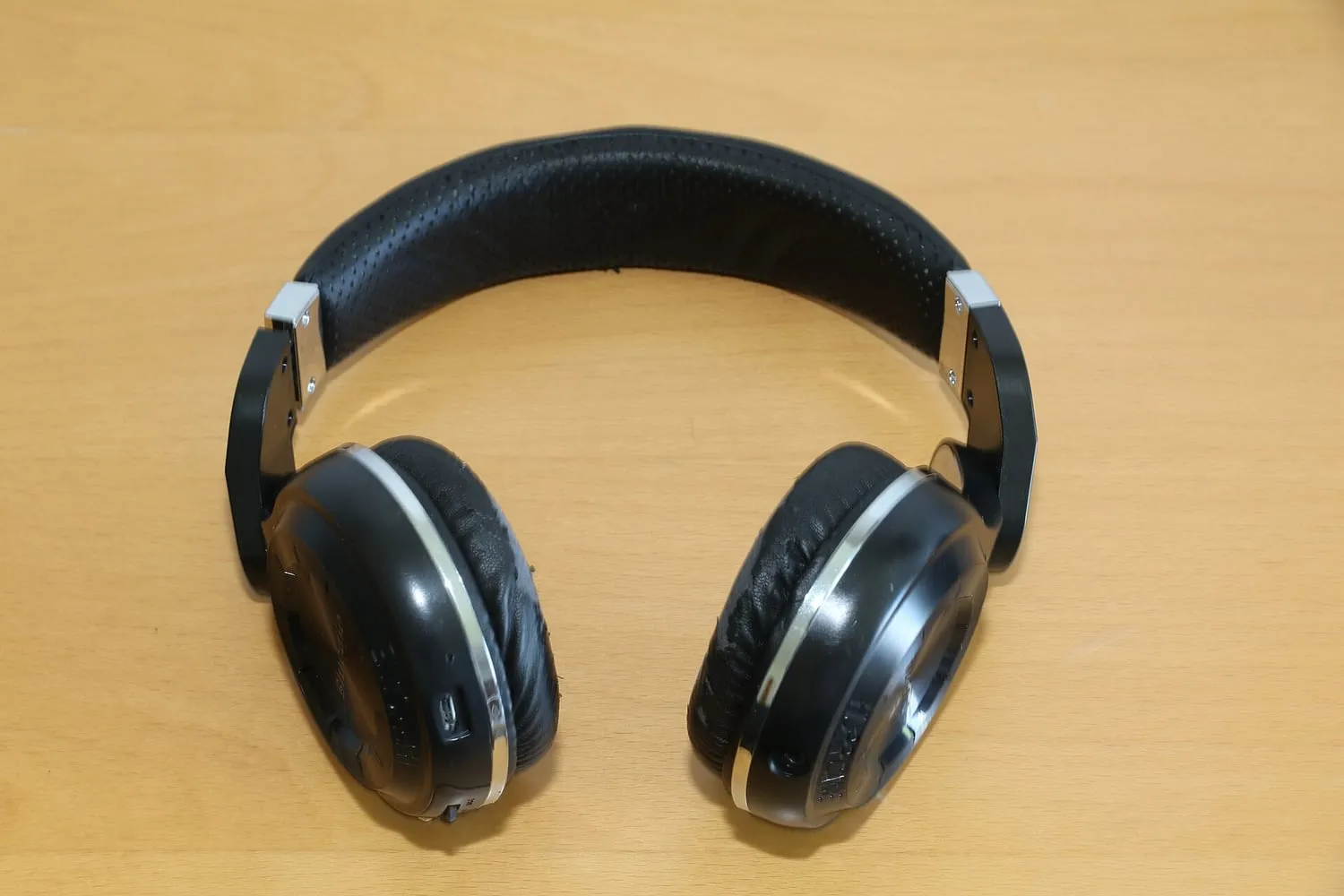
The two things most likely to make you stop using a pair of headphones are clamping force and the condition of the ear pads, and neither appears in a specification.
Ear pads compress over time and are usually the first part to fail. Where a manufacturer sells replacements, the headphones last years. Where it does not, the pads degrade and the pair becomes uncomfortable long before the drivers wear out. Headbands, cables and batteries are the other wear points, and a published parts list is the most useful document a manufacturer can provide.
A short buying method
- Decide whether you need isolation from the room around you, or whether you need to hear it.
- Check sensitivity and impedance against the devices you will plug into.
- For wireless, check codec compatibility with your phone, published battery life, and whether multipoint is supported.
- If noise cancelling matters, look for measurements across frequencies rather than a single depth claim.
- Check that ear pads, cables and batteries are sold separately.
- Ignore the frequency range and the driver size.
That list is short because the specification sheet is short on things that matter. Where the numbers run out, reviews that measure and describe behaviour take over.